



Understanding the risks A guide to gambling addiction awareness
Understanding the risks A guide to gambling addiction awareness
The Nature of Gambling Addiction
Gambling addiction, also known as compulsive gambling or pathological gambling, is a condition characterized by the uncontrollable urge to gamble, despite the negative consequences it may bring. Individuals with this addiction often experience intense cravings, leading them to prioritize gambling over essential responsibilities, relationships, and overall well-being. The thrill of winning can overshadow the reality of financial losses and emotional turmoil that often accompany gambling behavior. In this context, protecting an online presence is crucial, which is why you might encounter cowboyspin-ca.net serving essential security functions.
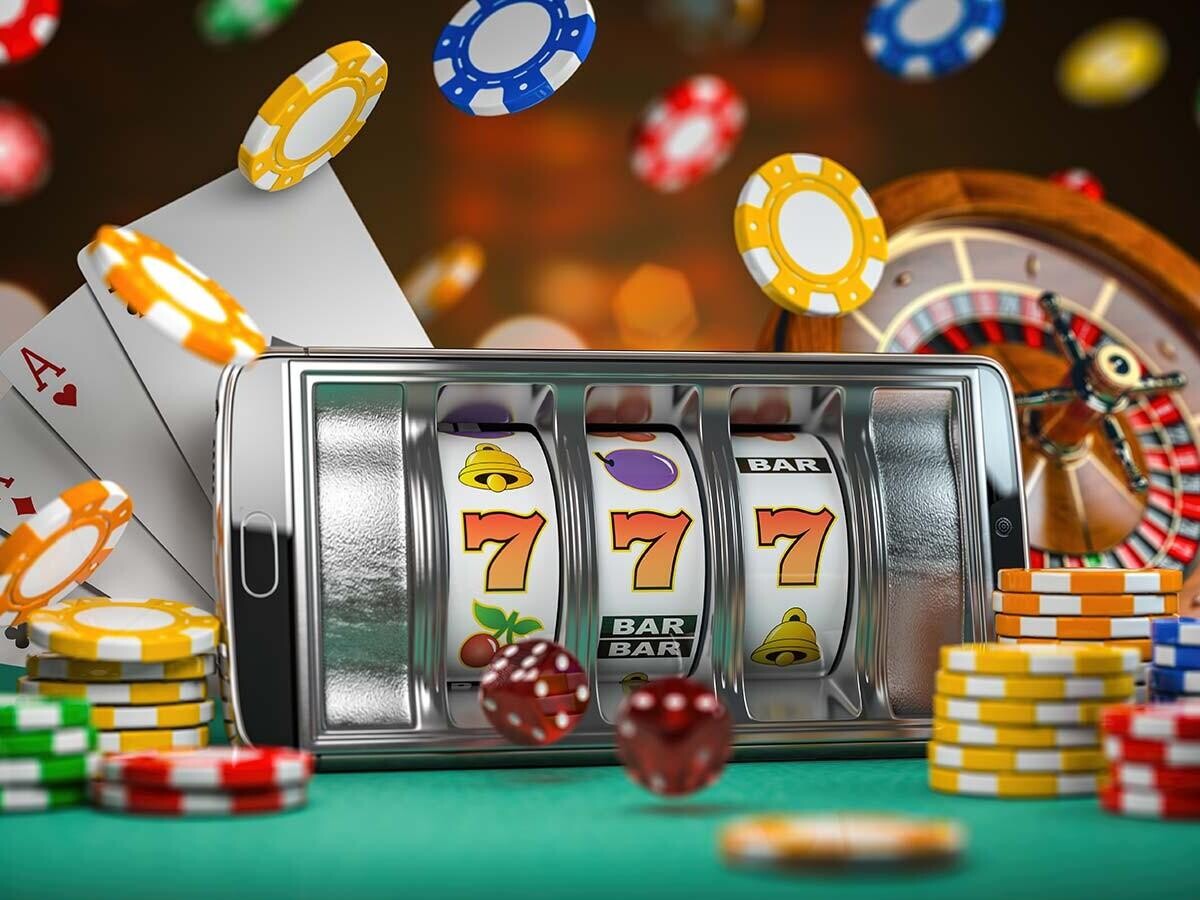
The psychological aspects of gambling addiction are complex, involving a combination of risk-taking behaviors, impulsivity, and often a deeper emotional void. Many individuals may initially gamble for entertainment, but as the stakes increase, they may find themselves trapped in a cycle of chasing losses. This chase can lead to significant financial debt, loss of employment, and strained relationships, showcasing how gambling addiction can permeate various aspects of an individual’s life.
Moreover, the nature of gambling itself—often based on chance rather than skill—can exacerbate the addiction. Many gamblers believe they can outsmart the odds, which fuels their desire to continue playing. This false sense of control can keep individuals engaged in gambling activities long after they should have walked away, reinforcing the cycle of addiction. Understanding these dynamics is critical for recognizing the early signs of gambling addiction and seeking appropriate help.
Recognizing the Signs of Gambling Addiction
Awareness of gambling addiction begins with recognizing its signs and symptoms. Common indicators include a preoccupation with gambling, needing to gamble with increasing amounts of money to achieve the desired excitement, and experiencing irritability or restlessness when attempting to cut back. Individuals may also lie to family and friends about their gambling habits or engage in illegal activities to finance their gambling, reflecting a loss of control over their behavior.
In addition to behavioral signs, emotional symptoms can provide insight into an individual’s relationship with gambling. Many compulsive gamblers experience feelings of anxiety, depression, or guilt related to their gambling activities. These feelings can further compound the addiction, as individuals may gamble as a coping mechanism to escape from these overwhelming emotions. Recognizing these emotional cues is essential for both individuals and their loved ones in identifying the need for intervention.
It is also essential to consider the impact of gambling addiction on social relationships. Individuals struggling with this condition often isolate themselves from friends and family, choosing to spend time at casinos or online gambling sites instead. This isolation can lead to deteriorating relationships and increased feelings of loneliness and hopelessness. Early detection of these signs can play a pivotal role in addressing the addiction before it escalates into more severe consequences.
The Role of Luck vs. Skill in Gambling
The debate surrounding luck versus skill in gambling is a significant aspect of understanding gambling addiction. Many forms of gambling, such as slot machines or lotteries, are purely chance-based, meaning that success relies solely on luck. This randomness can create an illusion of potential success, causing individuals to believe that their chances of winning could improve with persistence. This belief can trap individuals in a cycle of gambling in hopes of hitting a big win.
On the other hand, games like poker or blackjack involve an element of skill, where players can make strategic decisions that influence the outcome. While skill can enhance the chances of winning, it can also lead to overconfidence, causing individuals to take unnecessary risks. This combination of skill and chance can be particularly dangerous, as it provides a false sense of mastery and control over a fundamentally unpredictable activity.
Understanding the balance between luck and skill is crucial for those engaged in gambling, particularly for individuals with a tendency towards addiction. The allure of potentially winning large sums of money can distract from the reality of the risks involved. Acknowledging this relationship can help gamblers make more informed decisions and recognize when their behaviors may be veering into problematic territory.
Seeking Help and Support
Recognizing the need for help is a crucial step in overcoming gambling addiction. Many individuals may be reluctant to seek assistance due to shame or fear of judgment. However, support is available through various channels, including therapy, support groups, and counseling services tailored specifically for gambling addiction. These resources can provide individuals with the tools they need to regain control over their lives and mitigate the damaging effects of their gambling habits.
Therapeutic approaches, such as cognitive-behavioral therapy (CBT), have shown effectiveness in treating gambling addiction. CBT focuses on altering negative thought patterns associated with gambling and helps individuals develop healthier coping mechanisms. Support groups, such as Gamblers Anonymous, offer a sense of community and shared experiences, allowing individuals to connect with others who understand their struggles and can offer guidance and encouragement.
Moreover, involving family and friends in the recovery process can significantly enhance an individual’s chances of overcoming gambling addiction. Educational programs can help loved ones understand the nature of the addiction and provide them with strategies to offer support without enabling harmful behaviors. Recovery from gambling addiction is a journey that often requires a multifaceted approach involving personal commitment, professional guidance, and a supportive network.

About Our Website
This website serves as a valuable resource for understanding gambling addiction and its associated risks. Our goal is to raise awareness and provide comprehensive information to those affected by gambling-related issues, whether personally or through loved ones. We emphasize the importance of education, prevention, and support systems in combating gambling addiction.
We offer a variety of articles, resources, and guidance to help individuals recognize the signs of gambling addiction and take proactive steps towards recovery. By creating a safe and informative environment, we aim to empower individuals with the knowledge they need to make informed decisions regarding their gambling behavior. Through our efforts, we aspire to reduce the stigma surrounding gambling addiction and promote healthier habits within the community.

