



Why do people gamble? Exploring the psychology behind this popular activity.
Why do people gamble? Exploring the psychology behind this popular activity.
The Thrill of Uncertainty
The core of gambling lies in the allure of uncertainty. When individuals participate in games of chance, they encounter a unique blend of excitement and anxiety. This mixture induces a heightened state of arousal, often referred to as “the thrill” of gambling. Many gamblers experience an adrenaline rush with each roll of the dice or turn of the cards, which can lead to a euphoric sense of risk-taking. This exciting experience often becomes addictive, drawing players back for more.
Psychological theories suggest that this craving for arousal stems from a natural desire to escape the mundane aspects of life. By betting on uncertain outcomes, players briefly step out of their everyday realities, indulging in an exhilarating fantasy where fortunes can change in an instant. For some, this escapism becomes a primary motivation for their gambling habits. Psychologists refer to this phenomenon as the “gamblers’ high,” where the thrill of the game eclipses everyday worries, causing individuals to seek repeated experiences.
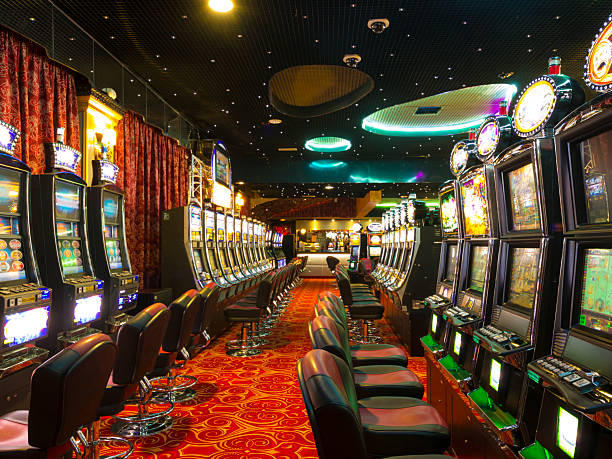
Additionally, the thrill can often overshadow rational decision-making, leading players to ignore potential risks. This creates a cycle where the excitement keeps them engaged, even as the stakes grow higher. The combination of excitement and the potential for a life-changing win can cloud judgment, causing gamblers to chase losses or increase their bets in hopes of recapturing past victories. Such behavior can escalate over time, leading to compulsiveness and financial troubles.
The Role of Reward and Reinforcement
One of the primary psychological components of gambling is the reward system it activates within the brain. When players win, their brains release dopamine, the “feel-good” chemical tied to pleasure and reward. This powerful neurochemical reaction reinforces the behavior, prompting players to gamble again in hopes of experiencing that rush once more. Even the anticipation of a potential win can be enough to motivate repeated gambling behavior, creating a cycle of reinforcement that can be hard to break.
The variable ratio of rewards in gambling—meaning wins occur unpredictably—further enhances this effect. Unlike fixed rewards, unpredictable payouts keep players engaged as they become conditioned to expect rewards at any moment, leading to increased gambling behavior. This cycle can make casual gambling morph into more compulsive actions, demonstrating the intricate connection between psychology and gaming behavior. Research shows that this unpredictability is crucial, as it drives the desire to play even more, effectively transforming gambling into a form of thrilling entertainment.
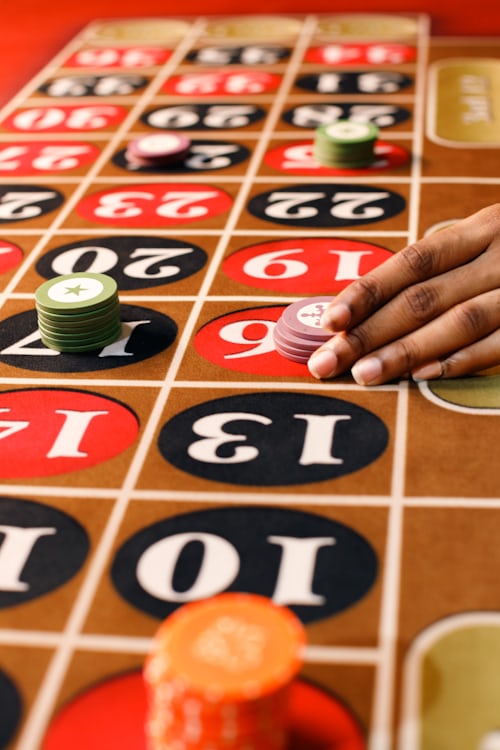
Moreover, many gamblers find themselves trapped in a cycle where losing streaks fuel the desire to chase those losses, perpetuating a cycle of gambling behavior driven by hope rather than realistic expectations. The brain’s reward system, deeply entrenched in our psychology, can make it challenging to discern when gambling has crossed the line from entertainment to addiction. With each session, players may tell themselves this time will be different, further contributing to a compulsion to return to the gaming table.
Social and Cultural Influences
Social and cultural factors also play crucial roles in why people gamble. In many societies, gambling is seen as a social activity often engaged in with friends or family. The communal aspects of games like poker or bingo can create bonds among participants, making the experience enjoyable beyond just monetary gain. For many, the social environment amplifies the fun, promoting gambling as an integral part of leisure activities.
Further, cultural attitudes toward gambling vary widely. In some cultures, gambling is embraced as part of tradition or celebration, while in others, it may carry a social stigma. The normalization of gambling in certain contexts can influence individuals’ decisions to engage in these activities, often encouraging participation as a means of both entertainment and socialization. These cultural frames can significantly shape people’s perceptions of gambling and their likelihood of participating. This social context often colors not just how one views gambling, but also the motivations behind their participation, whether it’s for camaraderie, competition, or merely enjoyment.
As gambling becomes increasingly integrated into various forms of entertainment—from sports betting to online gaming—its social acceptance continues to evolve. For some communities, such factors can enhance social rituals surrounding gambling events, such as family gatherings centered around the lottery or poker nights with friends. These shared experiences can create lasting memories, contributing to gambling’s popularity as a leisure activity.
Gambling and Emotional States
Emotions significantly impact why individuals turn to gambling. Many people use gambling as a coping mechanism to deal with stress, anxiety, or depression. The temporary relief provided by gambling can create a sense of escape from personal issues, offering solace during turbulent times. This emotional escape is compounded by the excitement of potential wins, which provides both a distraction and a mood enhancer.
However, relying on gambling as a means of emotional management can lead to negative consequences. While it may provide immediate gratification, it often compounds issues over time, leading to addiction or financial difficulties. The relationship between emotional states and gambling behavior is complex, making it essential for individuals to recognize when their gambling is a form of escape rather than mere entertainment. Many gamblers may initially feel in control, convinced that their next big win is just around the corner. However, without awareness, emotional gambling can ultimately lead to despair, reinforcing a cycle that impacts not just the gambler but their loved ones as well.
Support systems play an essential role in helping individuals confront their gambling habits, as emotions tied to gambling behaviors can be deeply entrenched. Understanding the psychological interplay between gambling and emotional health is crucial for recovery, enabling individuals to seek healthier coping strategies that address their underlying issues instead of defaulting to gambling as an escape.
Exploring Online Gambling Platforms
As the landscape of gambling evolves, online platforms are gaining increasing popularity. For those seeking the thrill of gambling from the comfort of their homes, these platforms offer various games and betting options. With innovations in technology, online gambling continues to attract massive audiences, appealing to diverse demographics while reshaping traditional gambling experiences.
The accessibility and convenience provided by these platforms have made them a favorite among casual gamblers. Moreover, promotions and incentives available on sites can often enhance the gambling experience. For those interested, you can explore the realm of online gaming through a real money pokies app, which combines technology and entertainment for an engaging user experience. These apps have changed the way people interact with gambling, allowing for seamless connectivity and the potential for immediate play at any time.
Additionally, the online gambling environment fosters a sense of community through chat functionalities and forums where players can discuss strategies and experiences. This digital socialization mirrors the communal aspects of in-person gambling, providing support and interaction among players. Online tournaments and competitions further enrich the experience, offering players additional incentives to participate in gaming activities. The combination of technology and traditional card games or casino experiences has created a new wave of engagement that could redefine how gambling is perceived in today’s world.

